I am a great believer in doing the homework before making a decision. I will compare options, read reviews, look at the practical details, ask questions nobody else appears to be asking and generally behave as though the fate of the nation depends on whether I have chosen the right coffee accessory. It helps, of course it helps, but what I have realised is that research can only get you so far. At some point, real life has to be allowed into the room, and real life has a habit of being considerably less impressed by your spreadsheets than you are.
A decision can look perfectly sensible on paper, survive a respectable amount of research and still reveal something entirely different once you actually live with it. Sometimes reality changes your mind, sometimes it confirms the research and sometimes it quietly reveals that the thing you thought was a minor detail was, in fact, doing most of the heavy lifting.
The showroom is not your house
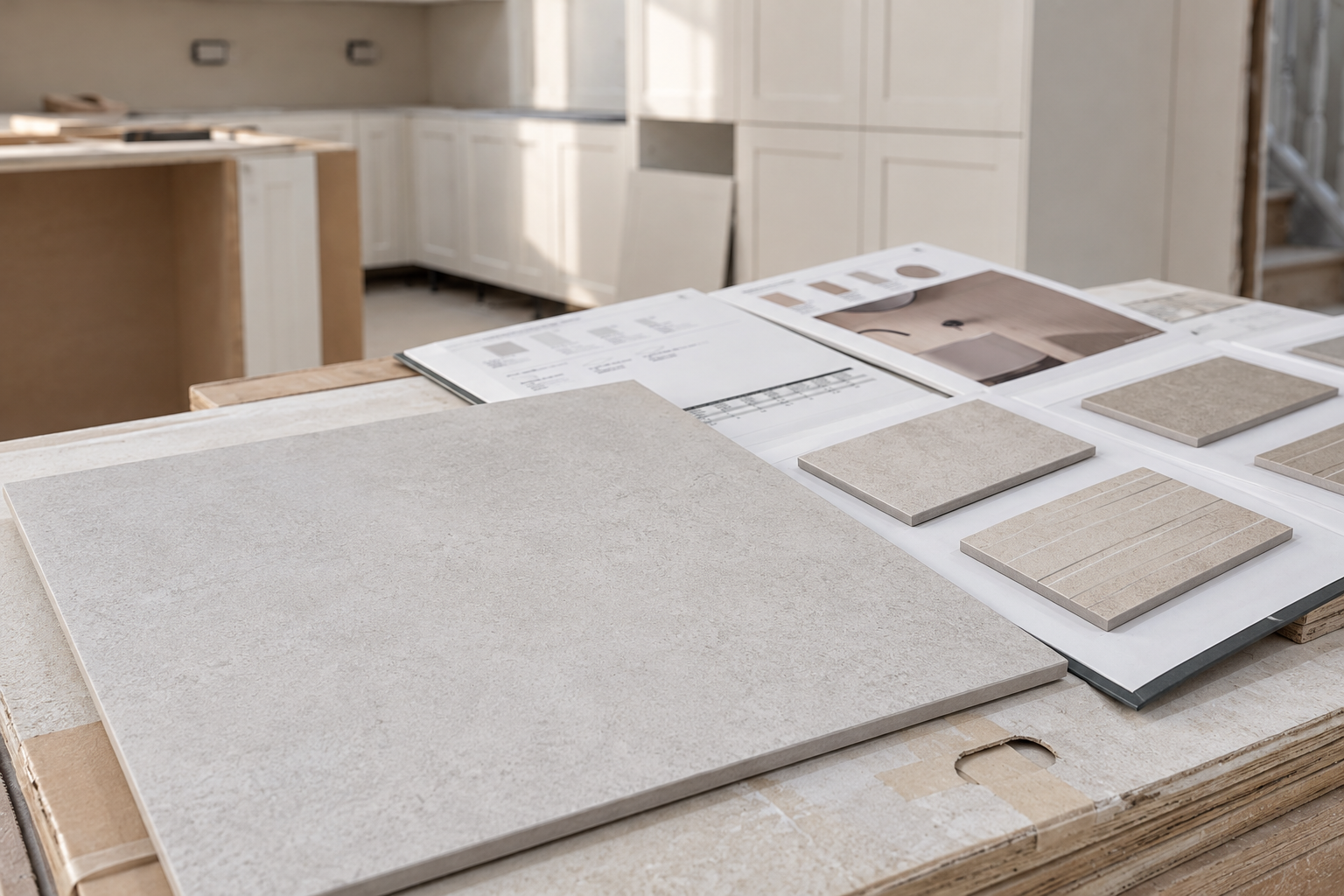
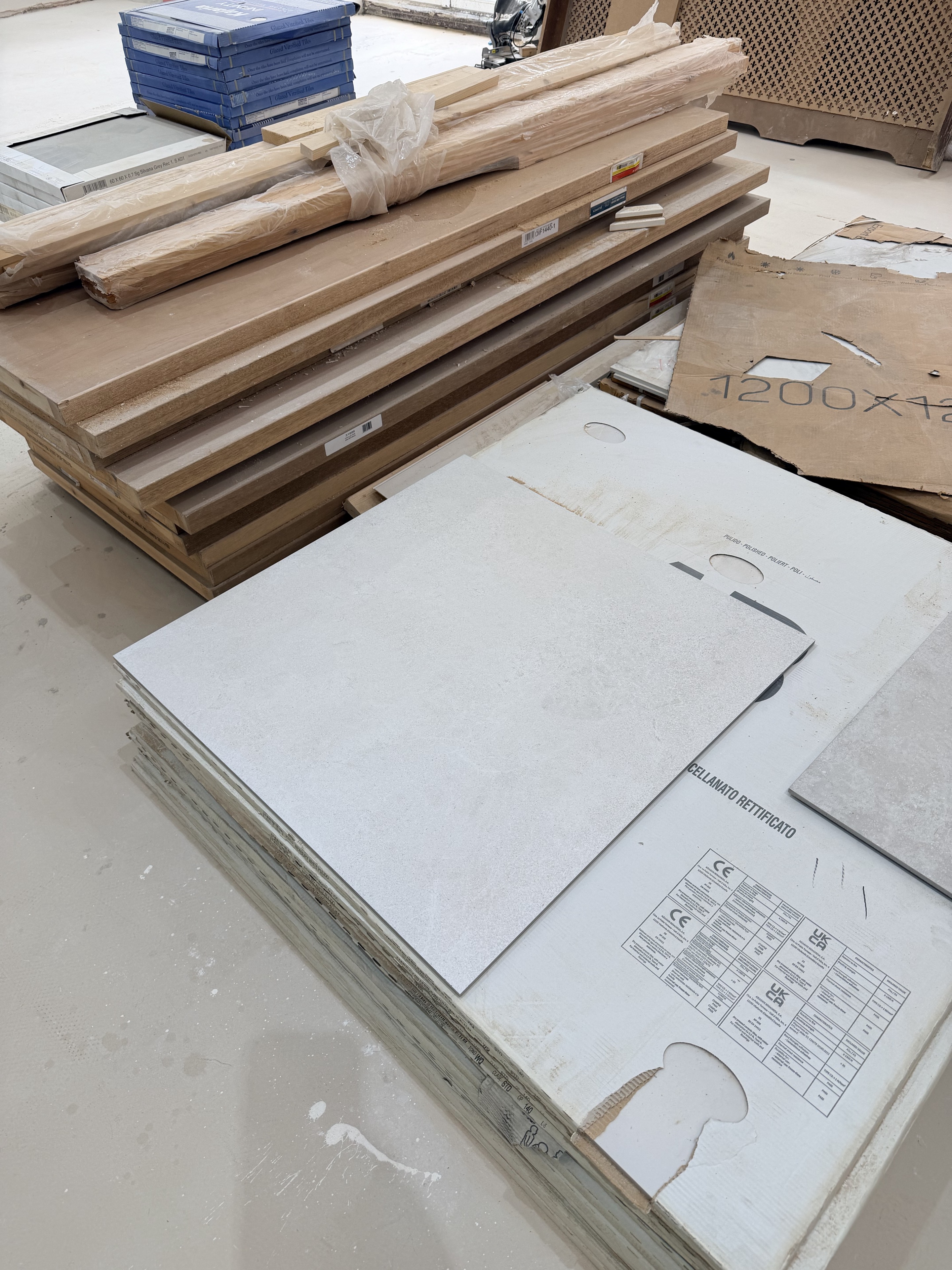
We are currently choosing tiles for the house, which is one of those jobs that sounds simple until you discover that every sample has a personality and lighting is apparently running a separate campaign.
The first tile we chose looked right in the showroom. I had effectively made the decision and mentally moved on to the next one. Once we saw it properly in the house, though, it was too dark. The showroom had made a persuasive case; the kitchen declined to uphold it.
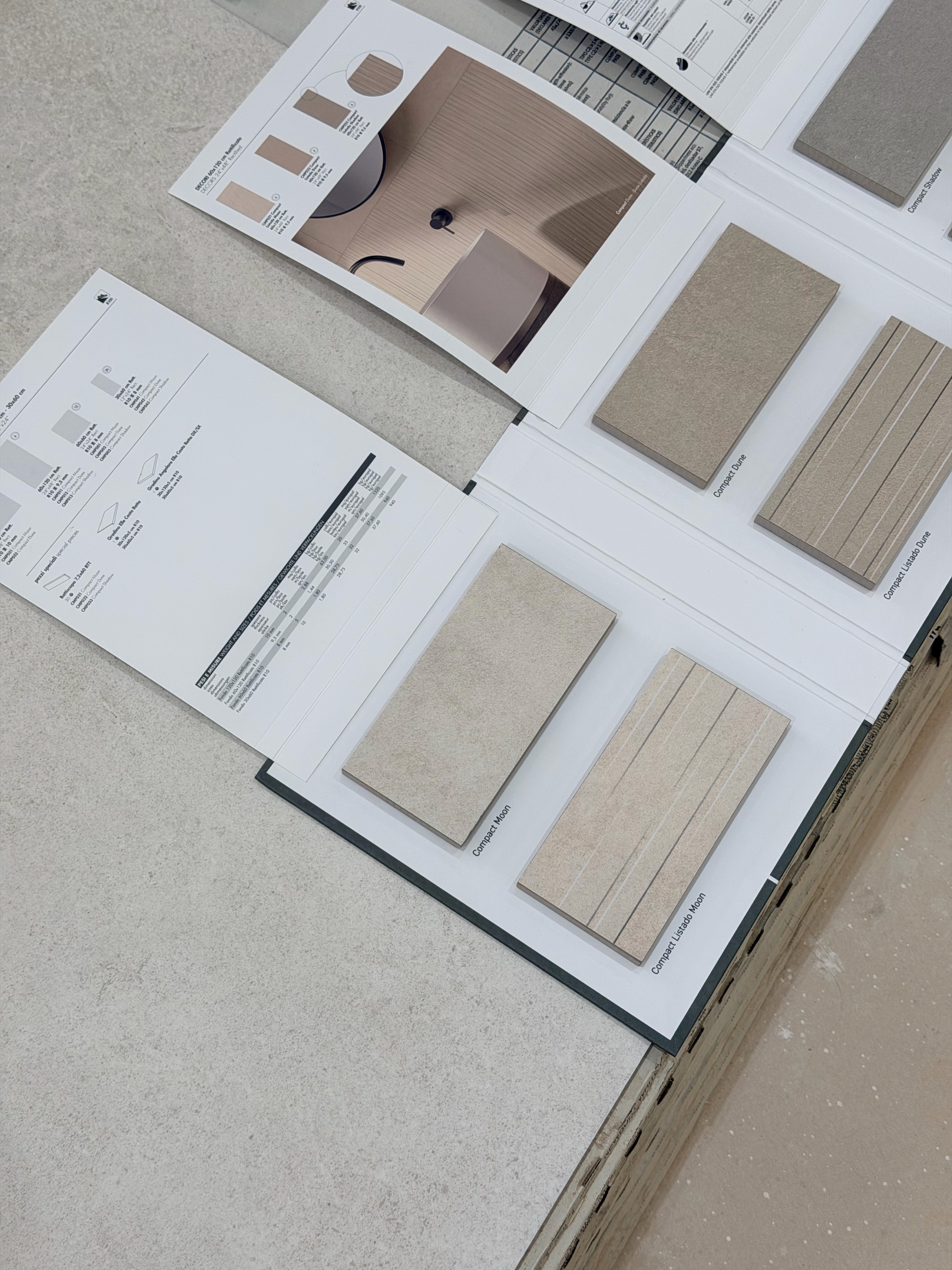
A later, lighter option felt much better in the actual rooms. The complication was whether it could be supplied in the larger size we ideally wanted. The same chap from the showroom came over with smaller samples to compare, so we could look at the alternatives alongside the pale tile we already preferred, in the light it would actually have to live with.
Showroom lighting can make a tile look like one thing and your own house can make it look like something else entirely. Scale changes it, natural light changes it, the surrounding finishes change it and suddenly the sample that looked expensive and elegant under flattering showroom lights is sitting in your kitchen looking as though it has made a regrettable career move.
Seeing them together made the decision obvious. We still preferred the lighter colour, and it still was not available in the larger format we had hoped for. Rather than choose a colour we liked less simply to get a bigger tile, we are going with the lighter tile in a slightly smaller size. We are compromising on format, not on the colour we will be looking at every day.
I do not think I would ever choose tiles now without seeing them in the room first. That sounds obvious once you have done it, but plenty of bad decisions only become obvious after they have introduced themselves properly. In this case, the house was a much better judge than the showroom.
The lesson is not that the research failed. The lesson is that the research was incomplete until the choice met its actual environment.
Sometimes the homework holds up
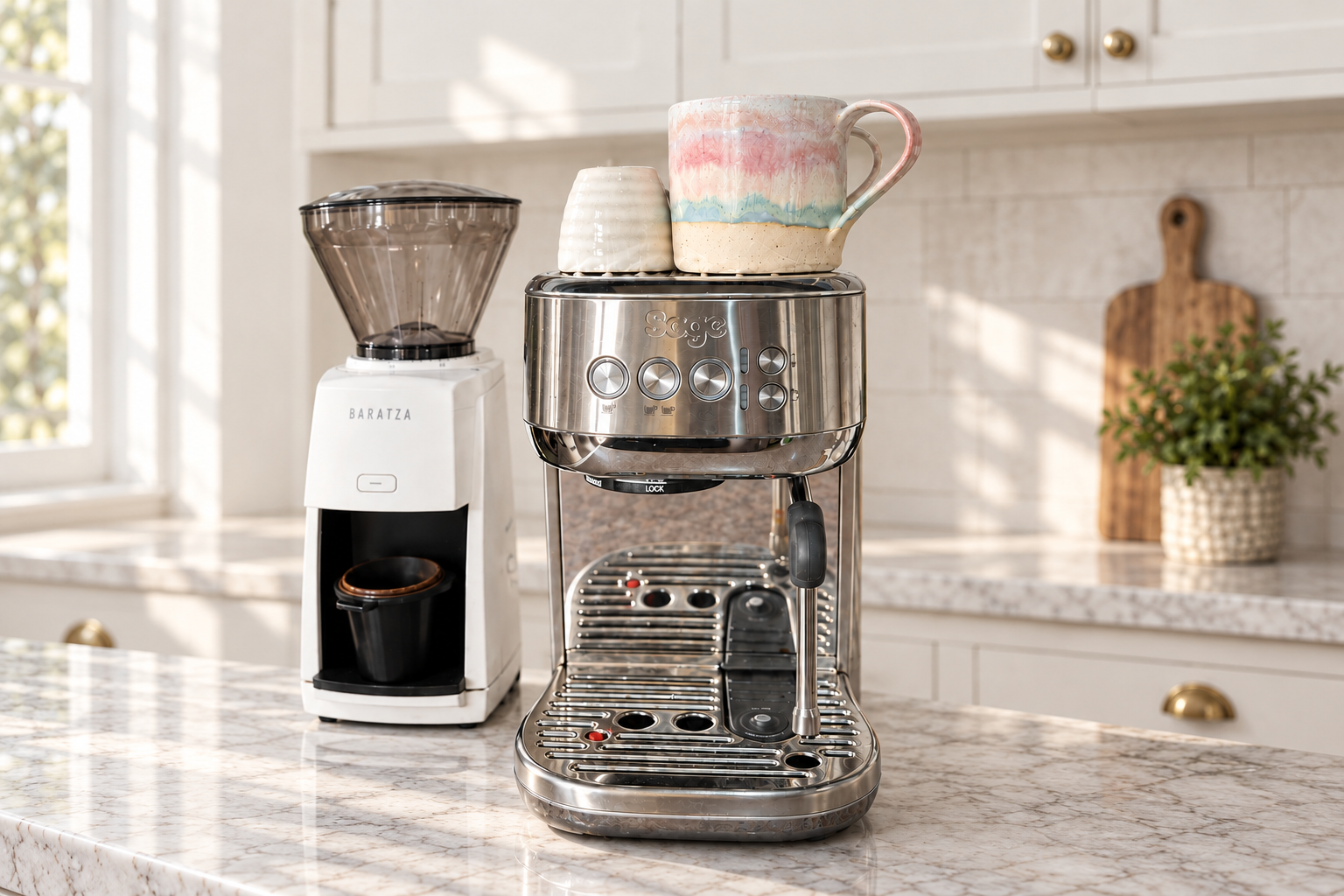
The Sage Bambino Plus is almost the opposite example. I wanted genuinely good coffee at home without remortgaging the house for an espresso machine, so naturally I did what I always do and researched it to a level that was probably not strictly proportionate to the original problem.
Coffee experts, YouTube videos, reviews, comparisons and a completely reasonable amount of time spent learning about precision baskets, puck screens and tiny tools involving needles before 8am. This was, apparently, who I had become.
I bought the machine because the research suggested I could get much more out of it with the right setup rather than simply buying something vastly more expensive, and in that case the research largely held up. The useful part, though, only became clear through actually using it.
Some additions genuinely earned their place because they solved a specific problem. Better consistency, less mess, easier dosing, more reliable shots. Those are the things I still use because they make the process better, not because somebody on YouTube once suggested that serious coffee ownership requires an alarming number of small stainless steel objects.
That distinction matters because it is very easy to research your way into buying an entire ecosystem. Every accessory has a plausible argument attached to it, every upgrade sounds vaguely essential and before long your kitchen counter resembles a small laboratory with excellent crema.
Real life is rather better at establishing which things you actually reach for. The machine proved itself. The setup proved itself. The extras that solved real problems stayed. The rest can wait. That is a much more useful form of proof than simply being impressed with your own research.
“Sleeps three” is doing quite a lot of work
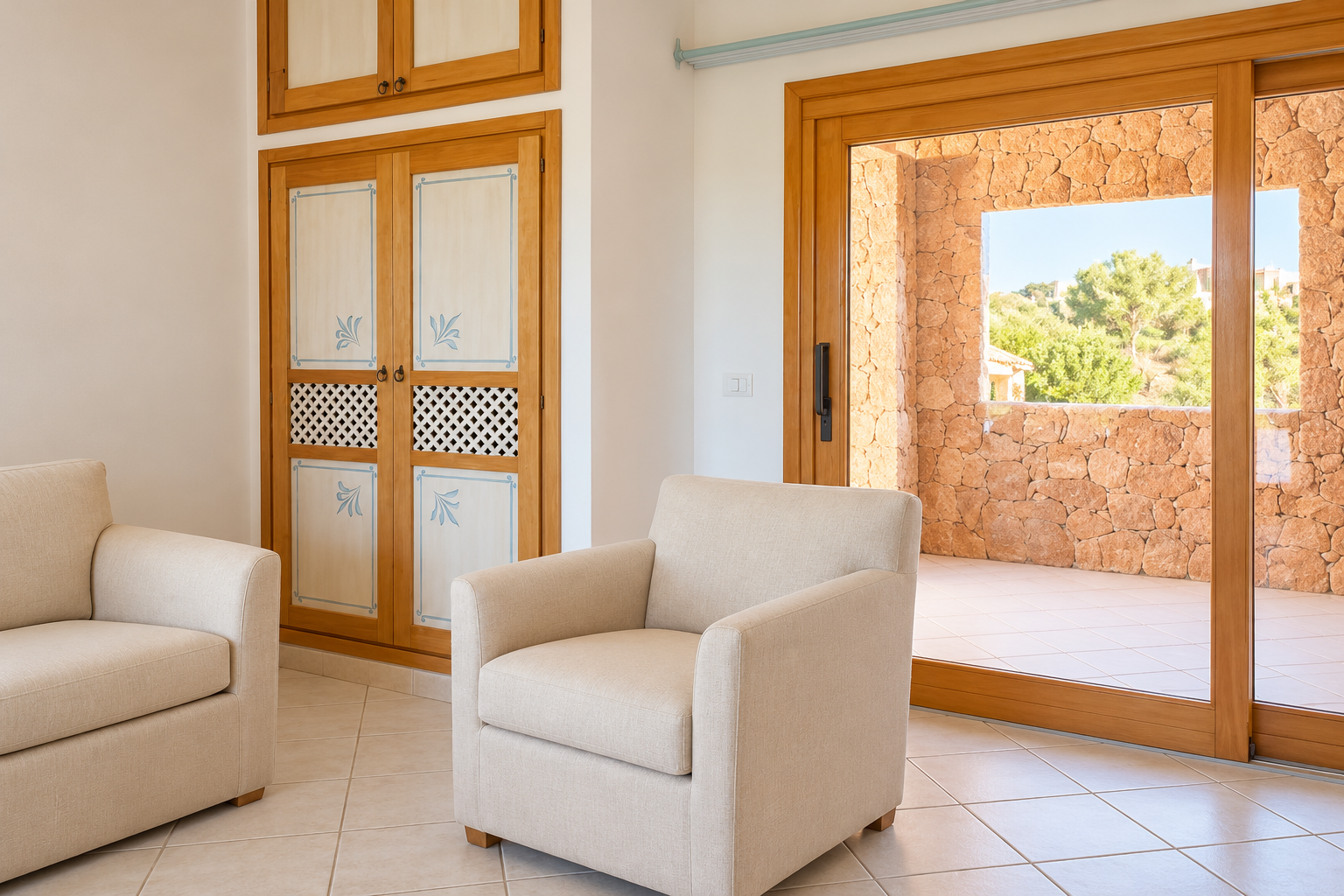
The Sardinia hotel taught me something slightly different. My son was 22 months when we went, and one of the things I liked about the accommodation was that it had a separate living area. It was almost like a little apartment rather than one hotel room, which did not sound like the most exciting feature in the brochure but turned out to be brilliant in practice.
Once my son was asleep, my husband and I could still sit in the living area and relax without effectively having to go to bed at toddler bedtime. The bathroom was off the main living space too, which meant we could use it without disturbing him.
That sounds like a small thing until you have tried getting ready for bed by iPhone torchlight because switching on the actual lights would wake the baby. There are few things that make you reassess the phrase “family friendly” quite like brushing your teeth in the dark while moving with the stealth of somebody burgling their own hotel room.
We have stayed in places where the room technically sleeps three, but “sleeps three” and “works for three” are not remotely the same thing. A hotel can satisfy the occupancy rules and still leave two adults whispering in the dark from 8pm because the toddler is asleep six feet away, which is less “romantic evening” and more “hostage negotiation with a travel cot”.
Sardinia changed what I look for now. Room layout is no longer a nice extra. If the trip involves a baby or toddler, it can affect the entire rhythm of the holiday, from bedtime to bathroom access to whether the adults are permitted any sort of evening at all.
That is exactly the sort of thing research is supposed to uncover, but sometimes you only understand how important a criterion is once you have lived the alternative.
Good research is not the same as a guaranteed result
This is where I have become a little more realistic about “good decisions”. Doing the homework improves the odds. It helps you ask better questions, avoid obvious mistakes and understand the trade offs before you commit, but it cannot perfectly simulate real life.
A tile still has to sit in your room. A coffee setup still has to survive hundreds of ordinary mornings. A hotel room still has to function after your toddler has gone to sleep and you would quite like to continue existing as an adult for another two hours!
The best decisions are not necessarily the ones where the research was flawless. They are the ones where the reasoning survives contact with reality.
Sometimes that means saying, yes, I got this right. Sometimes it means admitting that something you were completely convinced about in the showroom looks rather less convincing in your kitchen. Both are useful, although one is admittedly better for the ego.
Real life gets
the final vote.
I trust the second opinion more now
I still research things extensively. I have not undergone a personality transplant, and there is no realistic prospect of me suddenly becoming someone who says, “Oh, I just went with my gut.”
If anything, I probably do more research now because AI has made comparing options and pulling information together much easier. What has changed is what I regard as the end of the process.
Buying it is not the end. Booking it is not the end. Choosing it is not the end. The decision is still on probation for a while.
I want to know whether it solved the problem I thought I had, whether the trade offs were the ones I expected and whether I still think it was a good choice once the excitement of choosing it has worn off and the thing has had to survive an ordinary Tuesday. That is the bit that turns research into judgement.
It is also why I am becoming more interested in what happens after a decision than I am in the moment somebody makes one. There is a lot of content telling us what to buy, where to stay, what to choose and what is supposedly worth it, often before anyone has had enough time to discover whether the thing in question is actually useful or merely photogenic.
Real life gets the final vote. I trust that one more.